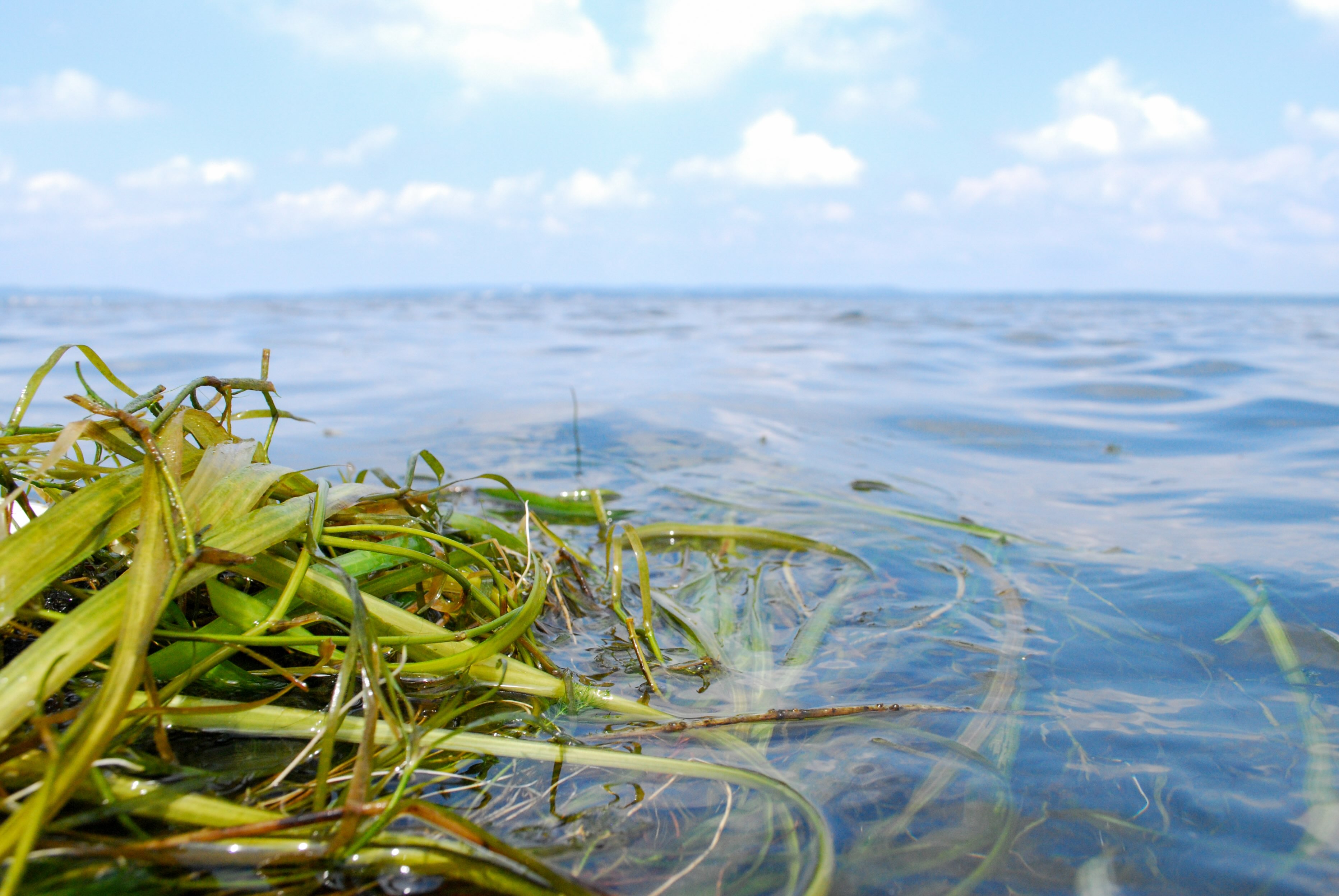
The Susquehanna Flats are one of the Chesapeake’s most remarkable places. Home to the Bay’s largest expanse of submerged grasses, this vital habitat supports wildlife, water quality, and generations of waterfowl hunters. But when Tropical Storm Agnes swept through the watershed in the 1970s, the grass bed virtually disappeared. This story traces decades of loss and recovery on the Susquehanna Flats and their enduring value to the people and wildlife of the region.
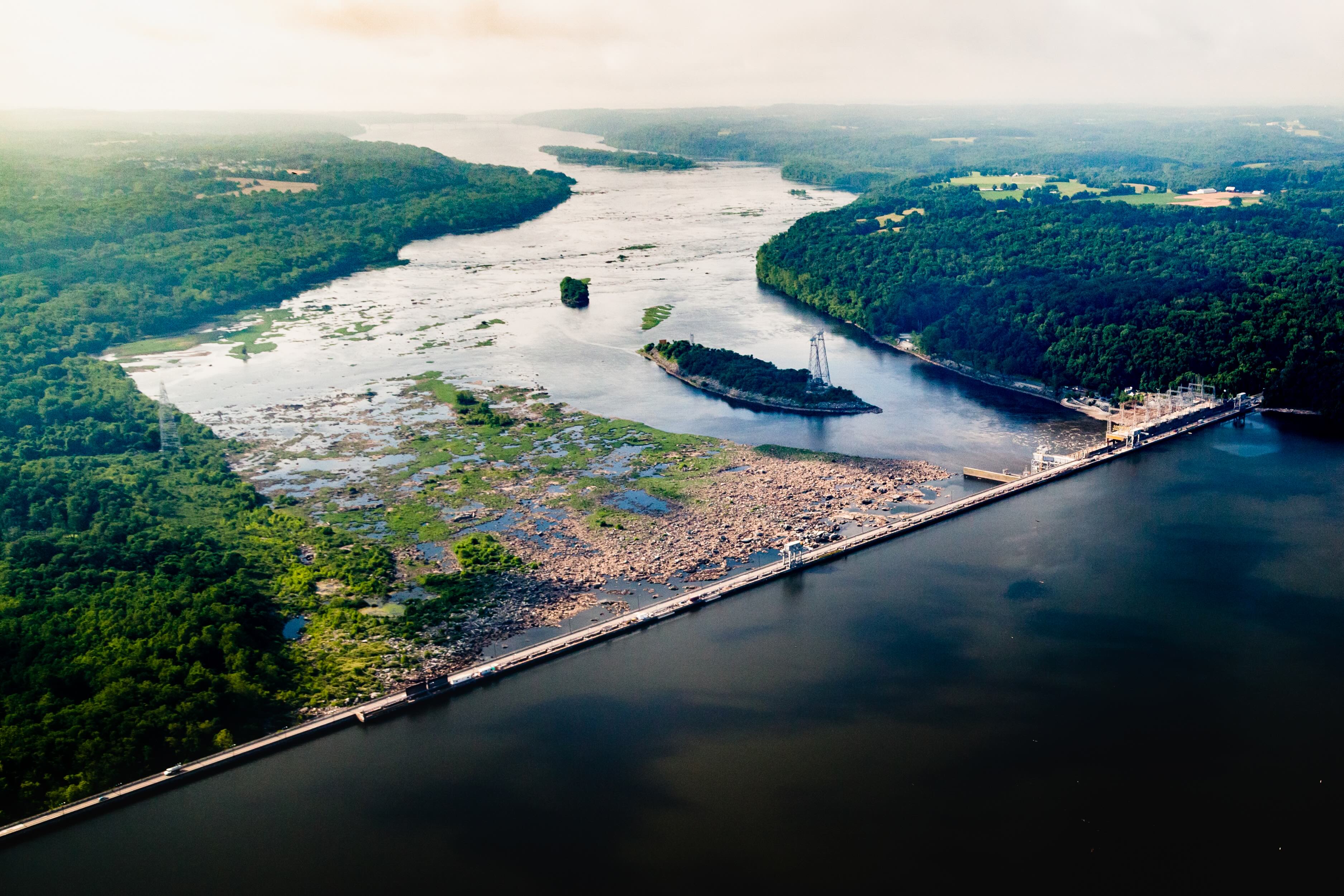
The Conowingo Dam lies 10 miles up the Susquehanna River from the Chesapeake Bay. Behind the dam, a 9,000-acre reservoir has been steadily filling with sediments, which flow over the dam and into the Bay during heavy storms and floods. Researchers are studying the dam’s impact on the Chesapeake Bay, as well as the role of the Susquehanna Flats in filtering these flows.
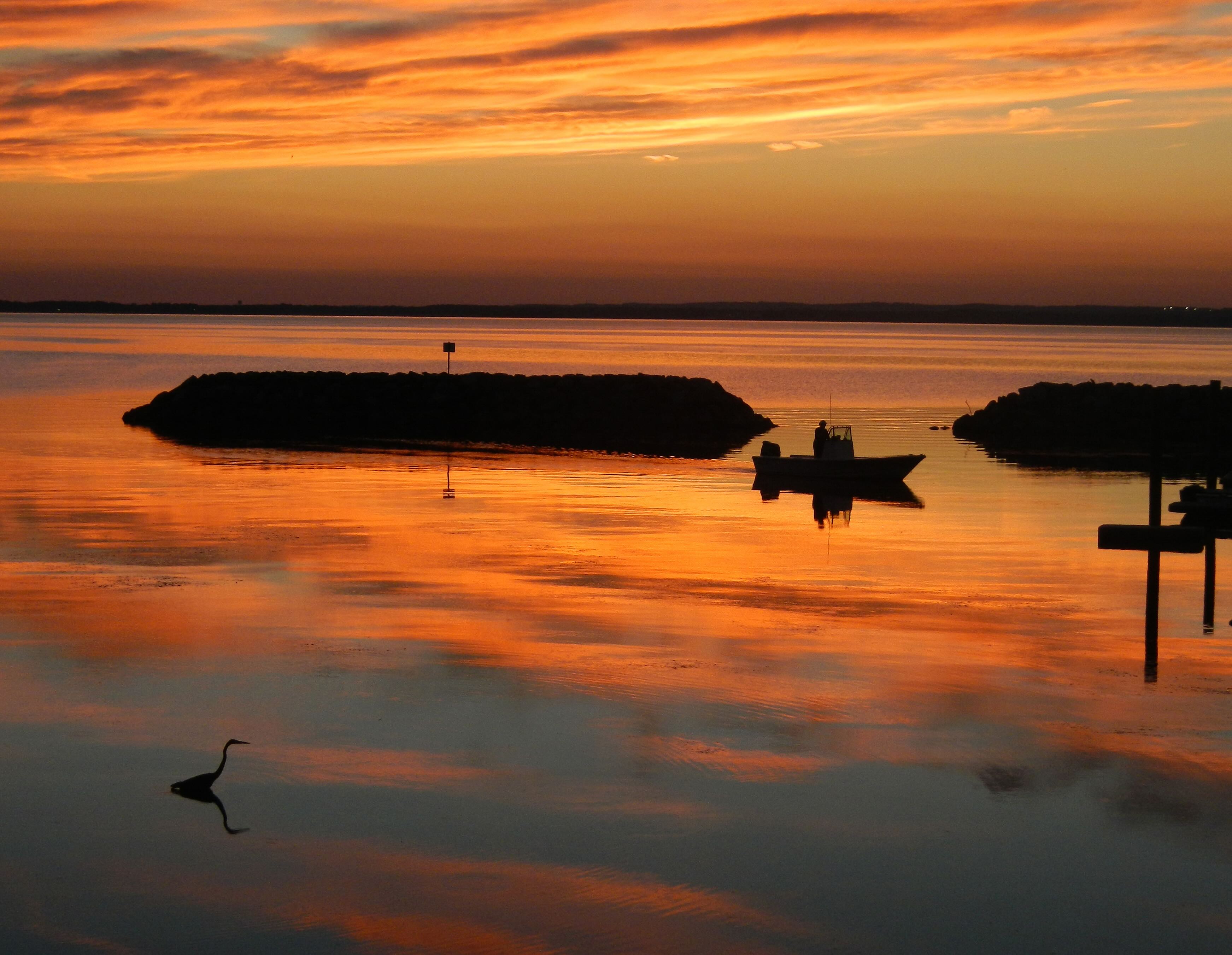
Until the mid-1900s, fishermen in the Susquehanna Flats area hauled in immense catches of native river herring, shad, and striped bass. Today, the commercial harvest is dominated by an invasive species, the blue catfish. Explore the storied history of commercial fisheries in the upper Bay.
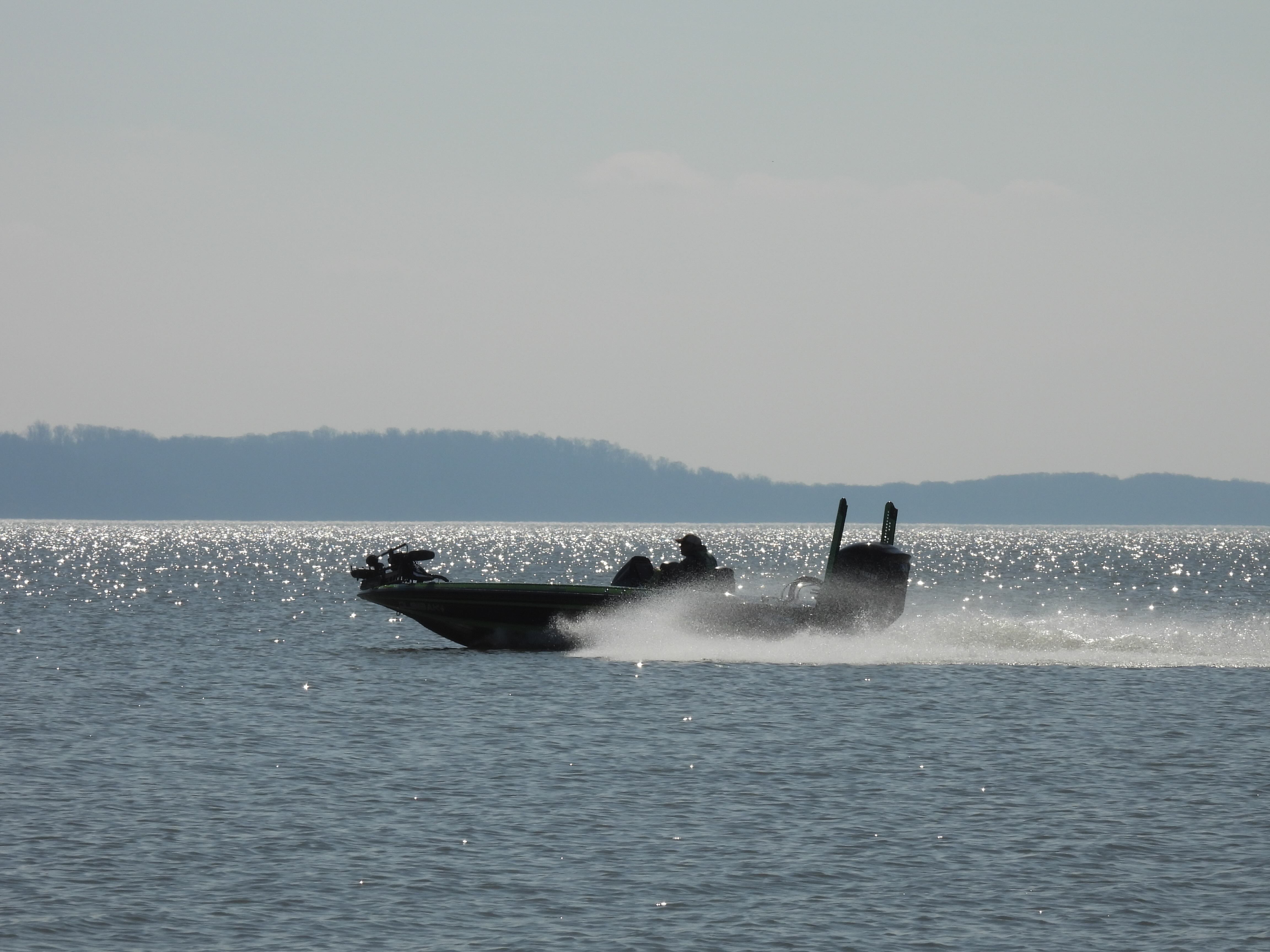
Fishing enthusiasts flock to the Susquehanna Flats to pursue a range of species from striped bass to snakehead. The Flats play host to year-round fishing and hundreds of tournaments. “It’s about more than catching fish,” says one angler.