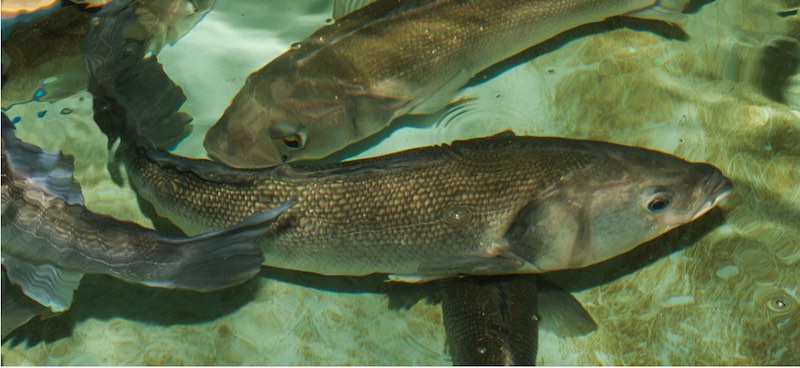
Fisheries data clearly show many wild fish stocks are declining globally
and will not keep up with the world's appetite for seafood. So how will the U.S. and the Chesapeake Bay
region increase aquaculture production in a sustainable and economically viable way? Chesapeake Quarterly explores scientific, environmental, and cultural issues relevant to the Chesapeake Bay and its watershed. The magazine is produced and funded by the Maryland Sea Grant College. The college receives support from the National Oceanic and Atmospheric Administration and the state of Maryland. Maryland Sea Grant College staff: Director, Fredrika Moser; Guest Editor, Don Schiller; Writer, Rona Kobell; Production Editor/ Graphic Designer, Nicole Lehming,
more . . . about In The Chesapeake
Thirty years ago, Maryland looked as though it might get hooked on finfish aquaculture. But while oysters have arrived as an aquaculture species, and clams now grow in the coastal bays, Maryland no longer has any finfish farms. Its lone shrimp farm departed for warmer pastures. That could change soon. Chesapeake Quarterly explores scientific, environmental, and cultural issues relevant to the Chesapeake Bay and its watershed. The magazine is produced and funded by the Maryland Sea Grant College. The college receives support from the National Oceanic and Atmospheric Administration and the state of Maryland. Maryland Sea Grant College staff: Director, Fredrika Moser; Guest Editor, Don Schiller; Writer, Rona Kobell; Production Editor/ Graphic Designer, Nicole Lehming,
more . . . about Fishing For Answers
Baltimore scientists have figured out how to grow an aquaculture industry. And it starts with silencing a protein called “dead end” to make sterile fish. Chesapeake Quarterly explores scientific, environmental, and cultural issues relevant to the Chesapeake Bay and its watershed. The magazine is produced and funded by the Maryland Sea Grant College. The college receives support from the National Oceanic and Atmospheric Administration and the state of Maryland. Maryland Sea Grant College staff: Director, Fredrika Moser; Guest Editor, Don Schiller; Writer, Rona Kobell; Production Editor/ Graphic Designer, Nicole Lehming,
more . . . about When A Dead End Becomes A Path Forward
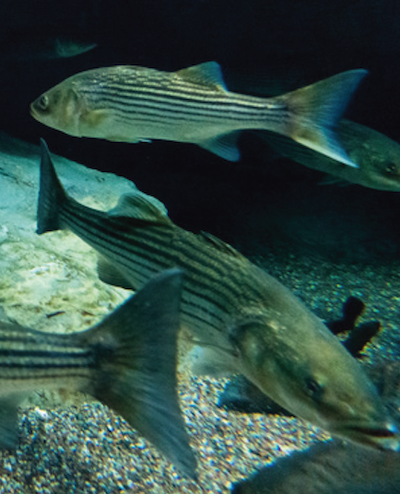
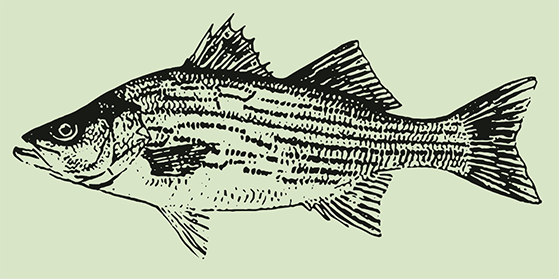
So, why have we ceded a Chesapeake Bay menu favorite to land-locked states like Tennessee and Kentucky? Chesapeake Quarterly explores scientific, environmental, and cultural issues relevant to the Chesapeake Bay and its watershed. The magazine is produced and funded by the Maryland Sea Grant College. The college receives support from the National Oceanic and Atmospheric Administration and the state of Maryland. Maryland Sea Grant College staff: Director, Fredrika Moser; Guest Editor, Don Schiller; Writer, Rona Kobell; Production Editor/ Graphic Designer, Nicole Lehming,
more . . . about Marylanders Love Their Striped Bass
From its beginning, Maryland Sea Grant Communications has been reaching out to our many audiences in the Chesapeake Bay and coastal regions by creating products that address issues important to the region. Topics we've covered include oyster biology and disease, sustainable blue crab populations, fisheries management, sea level rise, and declining seagrasses. Below are selected highlights of our efforts. Chesapeake Quarterly explores scientific, environmental, and cultural issues relevant to the Chesapeake Bay and its watershed. The magazine is produced and funded by the Maryland Sea Grant College. The college receives support from the National Oceanic and Atmospheric Administration and the state of Maryland. Maryland Sea Grant College staff: Director, Fredrika Moser; Guest Editor, Don Schiller; Writer, Rona Kobell; Production Editor/ Graphic Designer, Nicole Lehming,
more . . . about The Great Shellfish Bay
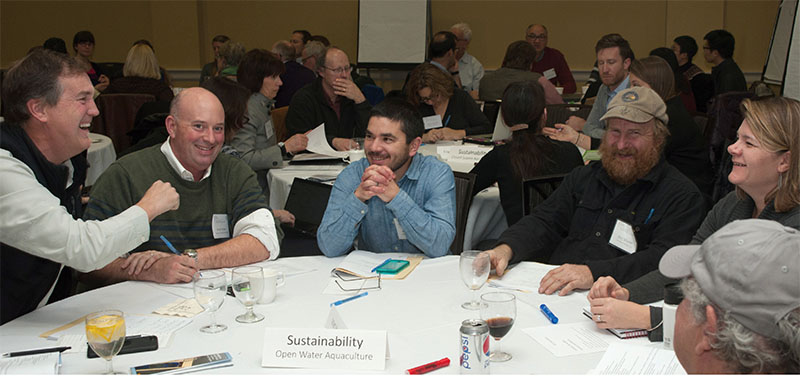
Bringing together aquaculture entrepreneurs with researchers, regulators, and extension agents. Chesapeake Quarterly explores scientific, environmental, and cultural issues relevant to the Chesapeake Bay and its watershed. The magazine is produced and funded by the Maryland Sea Grant College. The college receives support from the National Oceanic and Atmospheric Administration and the state of Maryland. Maryland Sea Grant College staff: Director, Fredrika Moser; Guest Editor, Don Schiller; Writer, Rona Kobell; Production Editor/ Graphic Designer, Nicole Lehming,
more . . . about Homegrown
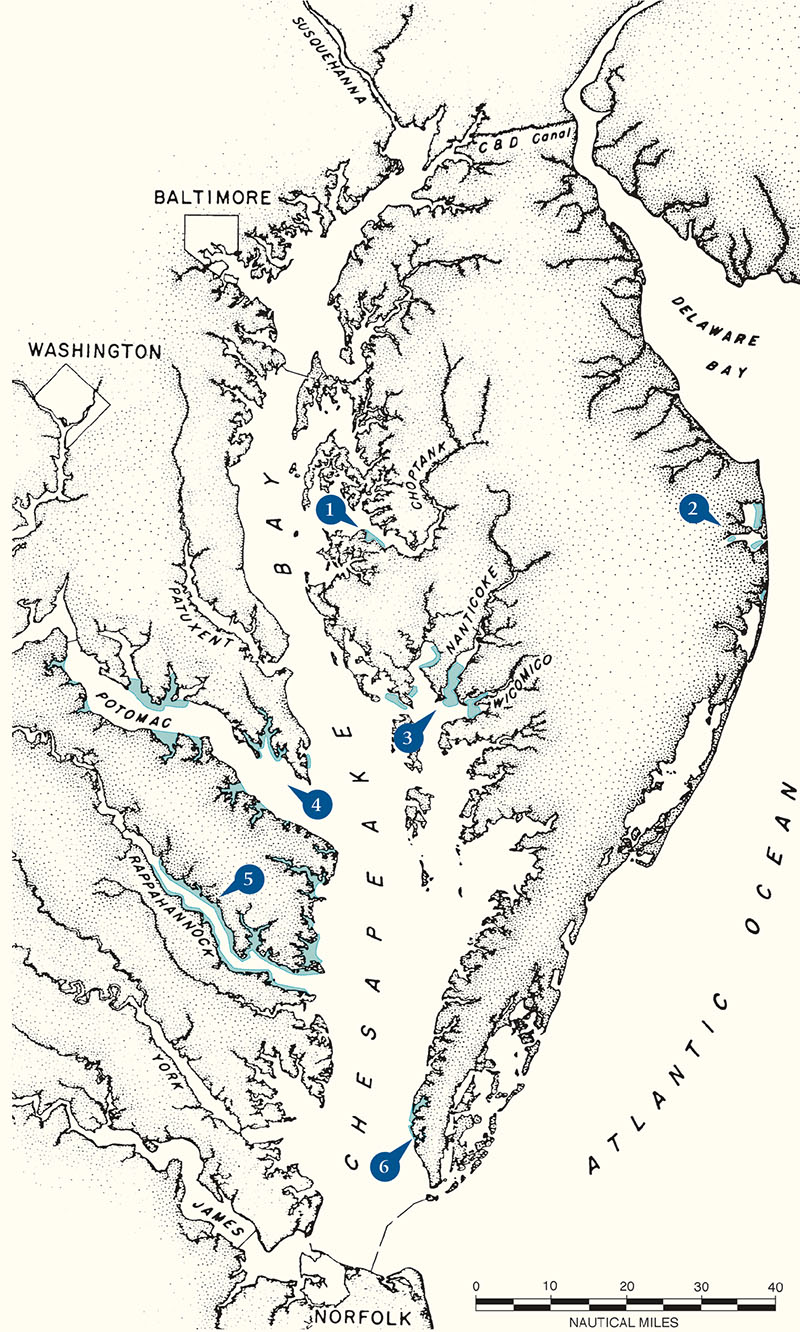
See what species are growing where, in the Chesapeake Bay and coastal bays and beyond. Chesapeake Quarterly explores scientific, environmental, and cultural issues relevant to the Chesapeake Bay and its watershed. The magazine is produced and funded by the Maryland Sea Grant College. The college receives support from the National Oceanic and Atmospheric Administration and the state of Maryland. Maryland Sea Grant College staff: Director, Fredrika Moser; Guest Editor, Don Schiller; Writer, Rona Kobell; Production Editor/ Graphic Designer, Nicole Lehming,
more . . . about An Aquaculture Primer
Meet the four graduate students selected for this year’s fellowship focusing on marine policy issues. Chesapeake Quarterly explores scientific, environmental, and cultural issues relevant to the Chesapeake Bay and its watershed. The magazine is produced and funded by the Maryland Sea Grant College. The college receives support from the National Oceanic and Atmospheric Administration and the state of Maryland. Maryland Sea Grant College staff: Director, Fredrika Moser; Guest Editor, Don Schiller; Writer, Rona Kobell; Production Editor/ Graphic Designer, Nicole Lehming,
more . . . about Maryland's 2018 Knauss Fellows
A core mission for Maryland Sea Grant is preparing students to succeed in science. The U.S. ranks 24th in science education out of 71 nations analyzed in the latest survey. And roughly 40 percent of American undergraduates who try to major in science or engineering switch majors or fail to graduate. To address this national need Maryland Sea Grant develops innovative approaches to improving science education from middle school through graduate school. Chesapeake Quarterly explores scientific, environmental, and cultural issues relevant to the Chesapeake Bay and its watershed. The magazine is produced and funded by the Maryland Sea Grant College. The college receives support from the National Oceanic and Atmospheric Administration and the state of Maryland. Maryland Sea Grant College staff: Director, Fredrika Moser; Guest Editor, Don Schiller; Writer, Rona Kobell; Production Editor/ Graphic Designer, Nicole Lehming,
more . . . about Meet Maryland Sea Grant's New Team Members