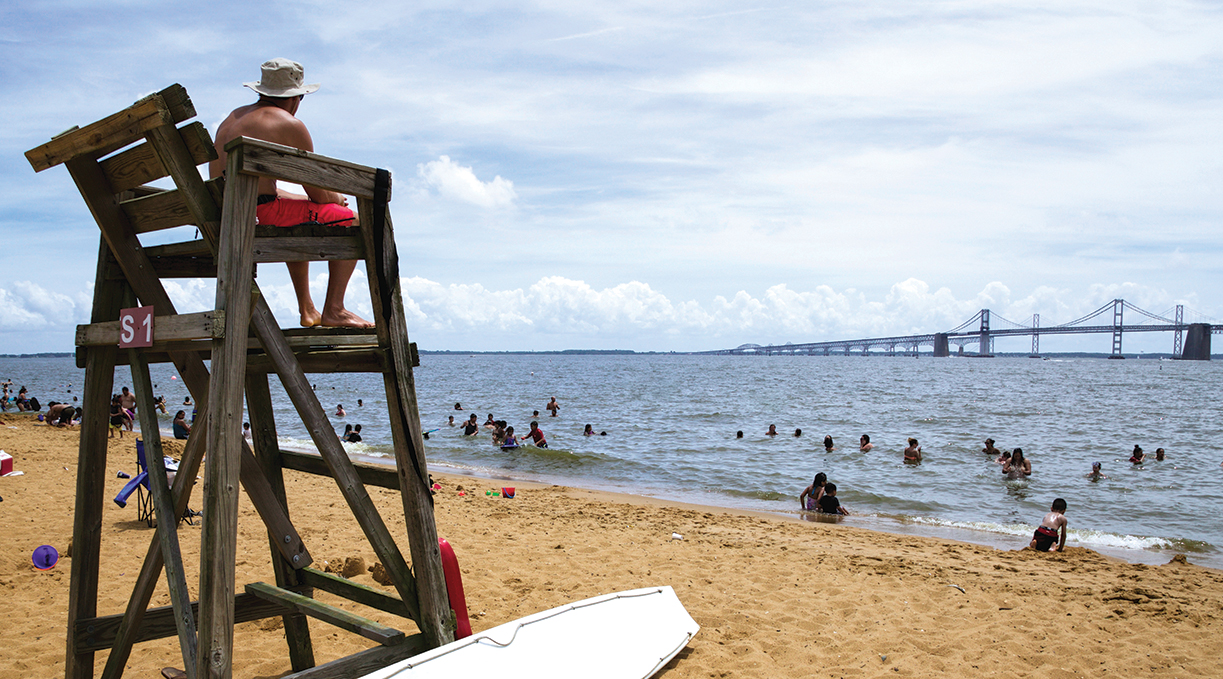
Want to take a dip? There’s a lot to ponder before answering. Warming temperatures will bring new problems that further complicate the decision on whether we, and those we love, should enter the water.
Toxic algae, killer bacteria. Is it safe to swim in the Bay?
By Brennen Jensen
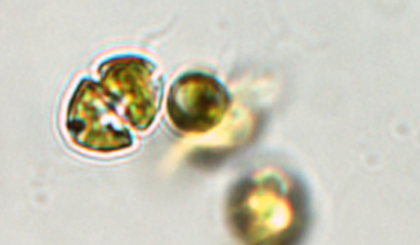
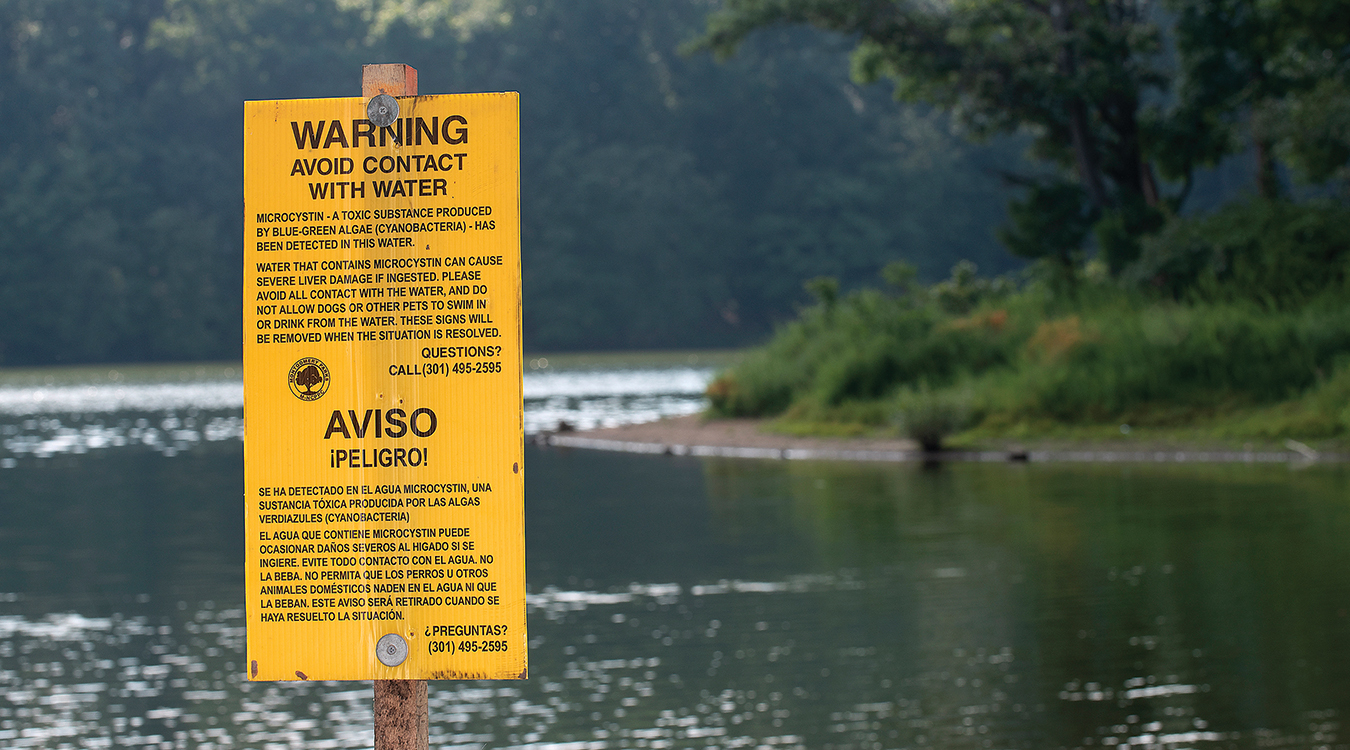
The Chesapeake contains some 700 species of algae. Most don’t cause problems. But when algae does bloom, and creates toxins, it can devastate water bodies as well as economies. With warmer waters coming, could the blooms that happened in Florida in the summer of 2018 happen here?
Algae blooms have impacted waters from Rhode Island to Florida, damaging ecosystems and affecting drinking water supplies. The Chesapeake Bay and Maryland’s Coastal Bays have not been immune. Take a look at the different tiny organisms that can pack a potent punch.
Closer monitoring by scientists helps outdoor enthusiasts decide when it’s safe to jump in
By Rona Kobell
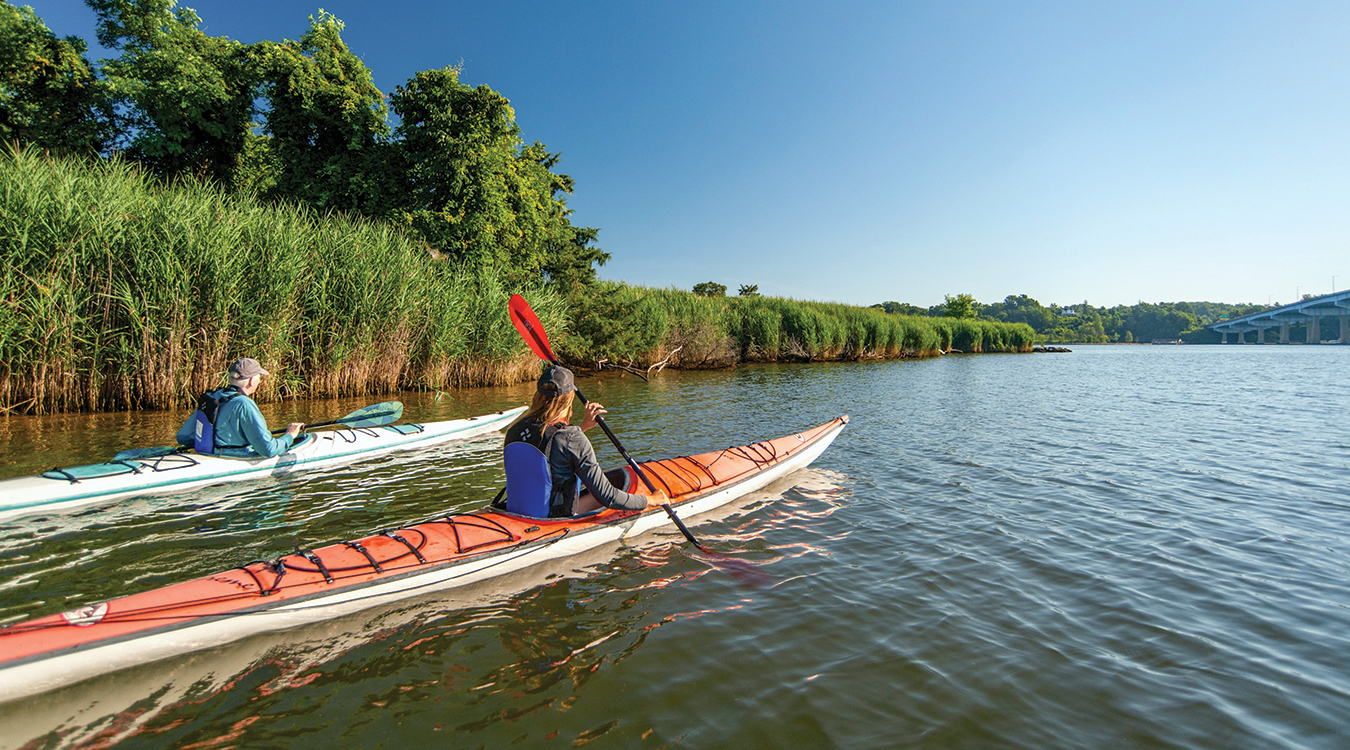
Those who know the Chesapeake best face a conundrum: Encourage residents to dive in, knowing a personal connection to its waters help fuel a desire to keep them clean? Or warn recreational users away due to occasional dangers? Scientists and swimmers weigh in about how they stay on top of local water quality conditions.
Don Baugh spent his career showing students the wonders of the Chesapeake Bay. Now, he’s started a nonprofit, Upstream Alliance, to bring current and future adult leaders—politicians, school superintendents, and scientists—closer to the water they’re trying to protect and restore.