How the Water We Can’t See Can Harm the Chesapeake Bay
By Rona Kobell
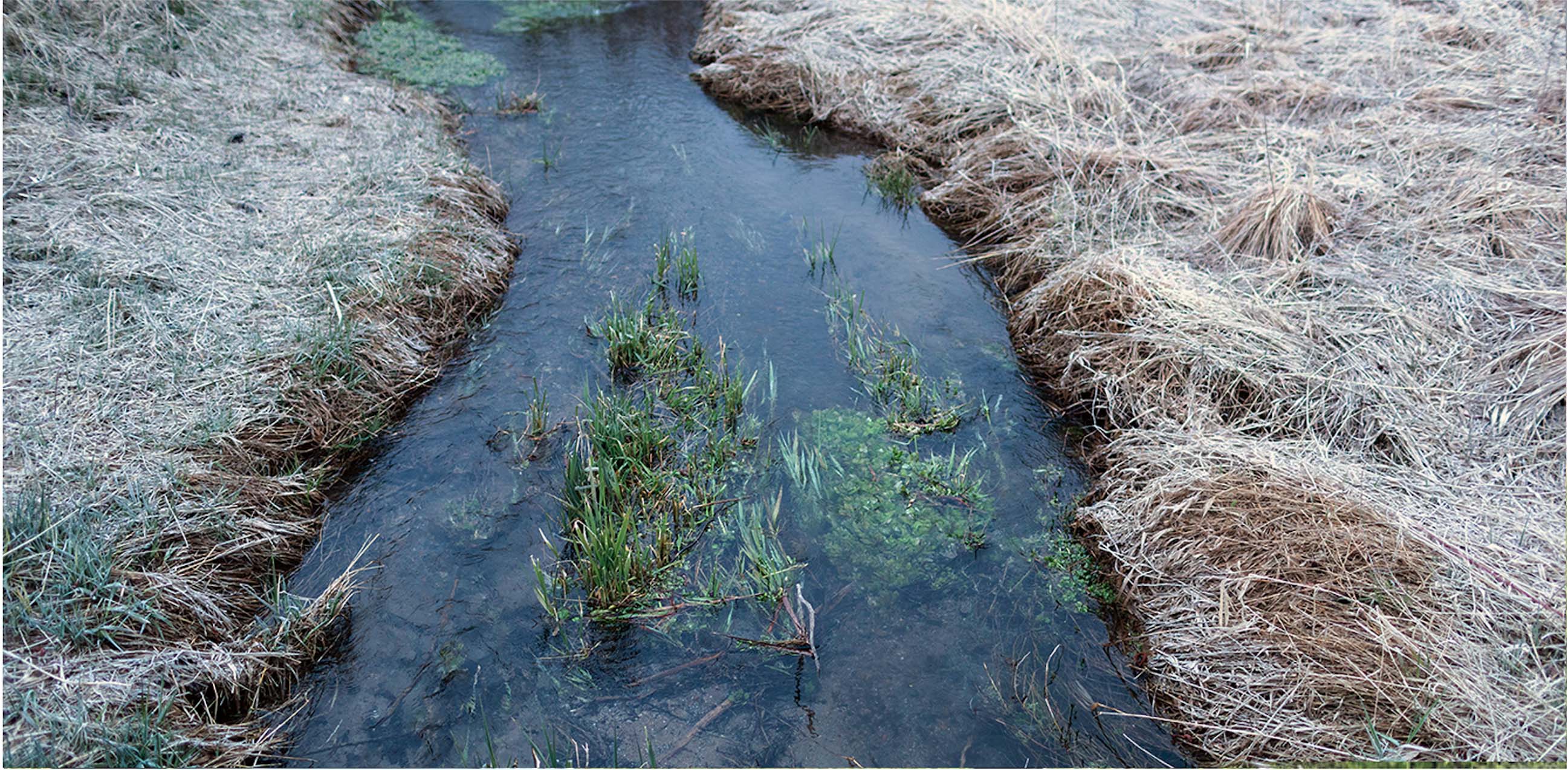
The groundwater that feeds our population can also deliver to us unwanted elements: nitrogen from farm fields, wastewater plants, and septic tanks; saltwater intruding from increasing pumping that changes the water levels; and even pollutants from the air. How do we measure the problems and protect the water sources?
On-farm practices can reduce nitrogen runoff. But given the nitrogen cycle’s complexities, could some also add it to the air?
By Chesapeake Bay Quarterly Staff
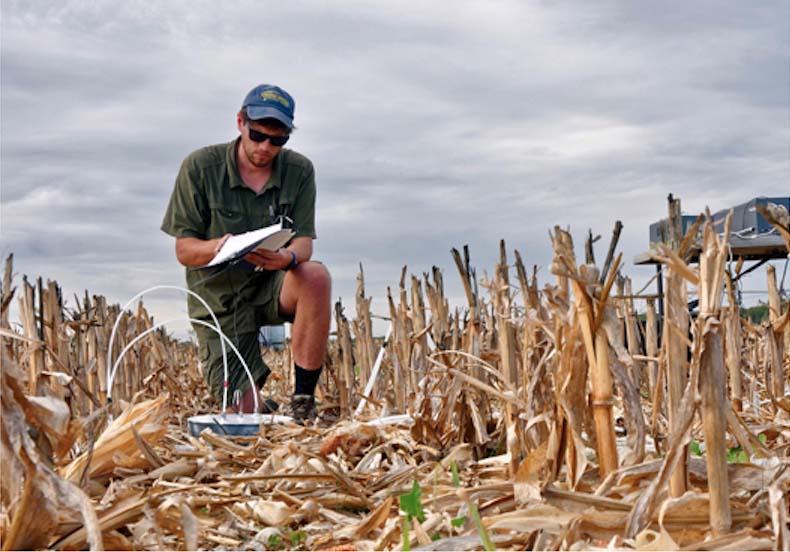
Farmers in the Chesapeake Bay watershed are investing in putting best practices on the land to reduce nitrogen running off from the soil. But recently, scientists have been trying to determine if there’s a denitrification downside – if reducing nitrogen runoff is fueling its appearance as a harmful gas.
Researchers develop tracers to track water originating from septic systems
By Lisa D. Tossey
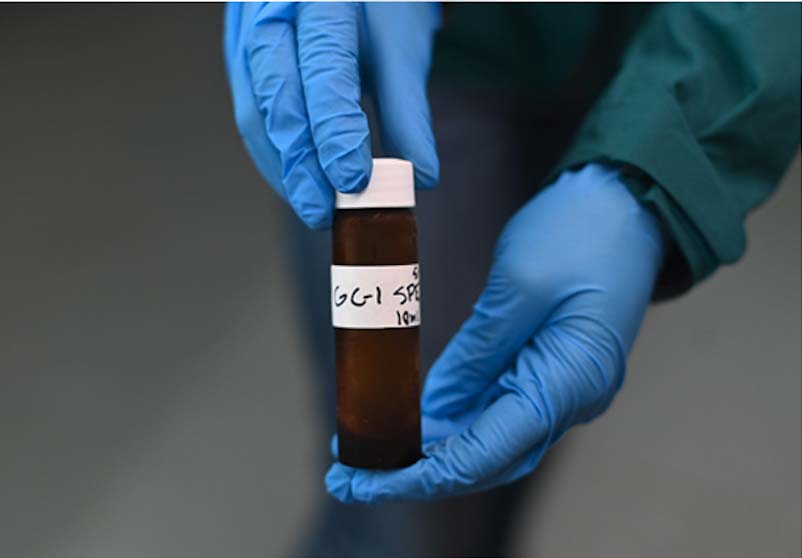
We don’t like to think about what happens after we flush the toilet. But some scientists do. Maryland has 420,000 septic systems, and each of them delivers about 23.2 pounds of nitrogen to the groundwater every year. Researchers are looking at where that nitrogen goes, and how to reduce it.
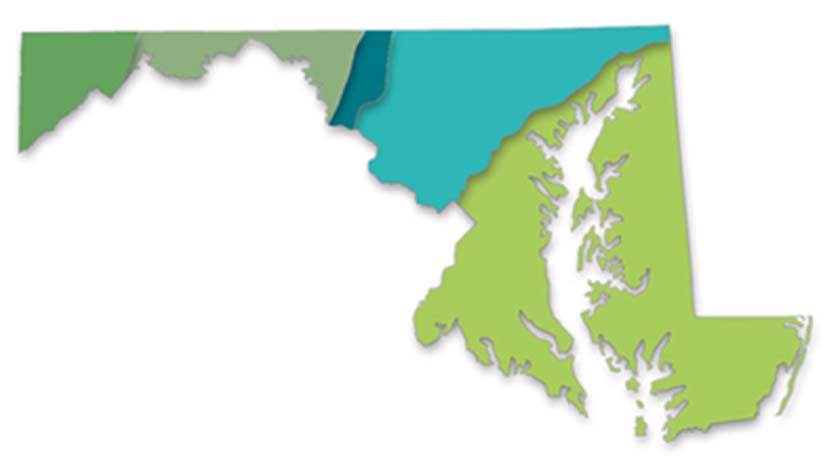
All drops of water may fall at the same rate, but where they land can determine how they’ll impact groundwater. Maryland’s 10,460 miles include a variety of subterranean formations, from the mountainous west to the looser, sandy soils of the Coastal Plain. Five regions, five different courses for water.