Studying the prey species that provide food for larger predator fish is an important ingredient for conducting ecosystem-based fisheries management. Chesapeake Quarterly explores scientific, environmental, and cultural issues relevant to the Chesapeake Bay and its watershed. The magazine is produced and funded by the Maryland Sea Grant College. The college receives support from the National Oceanic and Atmospheric Administration and the state of Maryland. Maryland Sea Grant College staff: Director, Fredrika Moser; Director of Communications, Jeffrey Brainard; Production Editor/Art Director, Nicole Lehming,
more . . . about Small Fry, Big Deal for Fisheries
The big fish eat the little fish, the proverb says, and scientists have been examining how this ancient story plays out in the Chesapeake Bay. For more than 15 years, a research project called ChesMMAP has caught striped bass and other key predators important to recreational and commercial fishers. By studying what the predators eat, researchers developed new findings that could help fisheries managers make decisions that will help sustain their populations into the future. Chesapeake Quarterly explores scientific, environmental, and cultural issues relevant to the Chesapeake Bay and its watershed. The magazine is produced and funded by the Maryland Sea Grant College. The college receives support from the National Oceanic and Atmospheric Administration and the state of Maryland. Maryland Sea Grant College staff: Director, Fredrika Moser; Director of Communications, Jeffrey Brainard; Production Editor/Art Director, Nicole Lehming,
more . . . about Who's Eating Whom in the Chesapeake
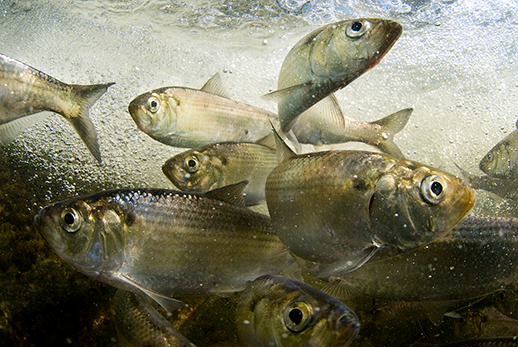
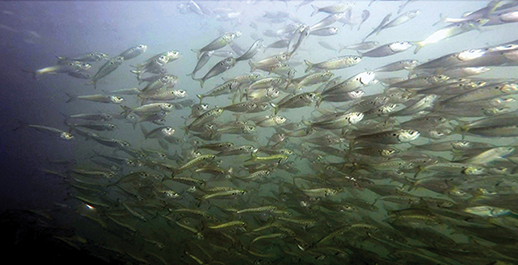
Small and oily, menhaden have been called the most important fish in the sea because of their value to striped bass and other predators and to commercial fishers who process menhaden to make various products. Researchers are learning more about a significant factor that influences the menhaden population in the Atlantic Ocean: how many die each year from predation and other natural causes. Chesapeake Quarterly explores scientific, environmental, and cultural issues relevant to the Chesapeake Bay and its watershed. The magazine is produced and funded by the Maryland Sea Grant College. The college receives support from the National Oceanic and Atmospheric Administration and the state of Maryland. Maryland Sea Grant College staff: Director, Fredrika Moser; Director of Communications, Jeffrey Brainard; Production Editor/Art Director, Nicole Lehming,
more . . . about Counting the Fish in the Sea
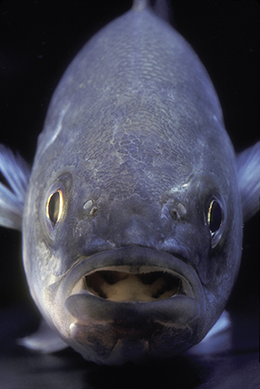
Analyzing what fish eat can be challenging when scientists must identify stomach contents that are partially digested. Like detectives as a crime scene, researchers are using DNA tools and a genetic library to positively identify species eaten by Chesapeake Bay predators such as blue catfish, a voracious eater. Chesapeake Quarterly explores scientific, environmental, and cultural issues relevant to the Chesapeake Bay and its watershed. The magazine is produced and funded by the Maryland Sea Grant College. The college receives support from the National Oceanic and Atmospheric Administration and the state of Maryland. Maryland Sea Grant College staff: Director, Fredrika Moser; Director of Communications, Jeffrey Brainard; Production Editor/Art Director, Nicole Lehming,
more . . . about Guess Who Came for Dinner?
Kelsey Brooks is the newest regional watershed restoration specialist for Maryland Sea Grant Extension, serving Baltimore City and Baltimore, Carroll, and Harford Counties. Brooks is working with communities, citizen groups, and local governments to help improve water quality in the rivers, streams, and creeks that flow into the Chesapeake Bay. Sea Grant's team of five watershed restoration specialists educate Maryland residents about practical measures they can take. For example, the specialists help communities to secure funding to install projects that reduce stormwater runoff, which carries excessive amounts of nutrients into the Chesapeake where they have fostered the development of low-oxygen 'dead zones.' Chesapeake Quarterly explores scientific, environmental, and cultural issues relevant to the Chesapeake Bay and its watershed. The magazine is produced and funded by the Maryland Sea Grant College. The college receives support from the National Oceanic and Atmospheric Administration and the state of Maryland. Maryland Sea Grant College staff: Director, Fredrika Moser; Director of Communications, Jeffrey Brainard; Production Editor/Art Director, Nicole Lehming,
more . . . about New Watershed Restoration Specialist Will Serve Northern Maryland
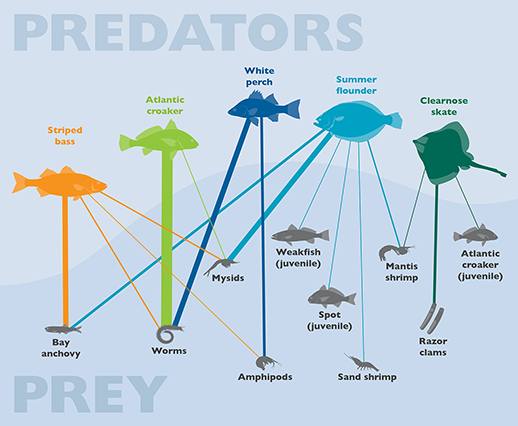
To find out who is eating whom in Chesapeake Bay, scientists looked inside the stomachs of predator fish. There they discovered that these five important predators did much of their dining on these 10 species of prey. A large part of their diet was, surprisingly, small invertebrates, animals like mysids and worms that have no backbones. And these five predators also feed on the young of other fish, especially on small spot, croaker and weakfish. Chesapeake Quarterly explores scientific, environmental, and cultural issues relevant to the Chesapeake Bay and its watershed. The magazine is produced and funded by the Maryland Sea Grant College. The college receives support from the National Oceanic and Atmospheric Administration and the state of Maryland. Maryland Sea Grant College staff: Director, Fredrika Moser; Director of Communications, Jeffrey Brainard; Production Editor/Art Director, Nicole Lehming,
more . . . about The Predators and the Prey
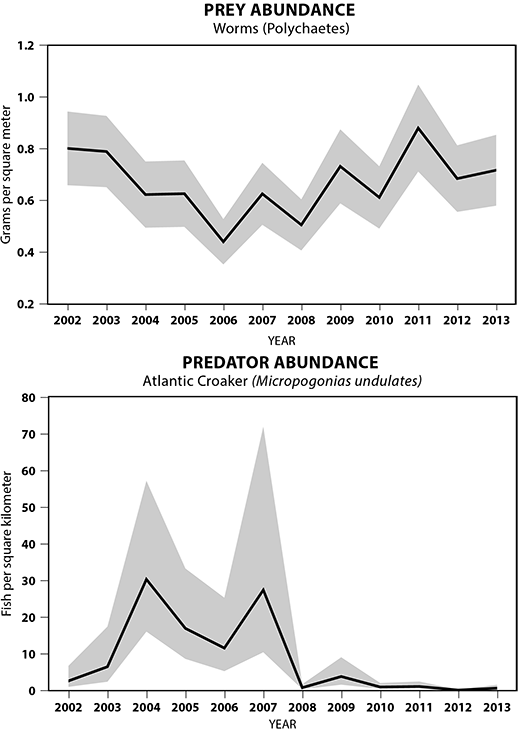
Since 2002, the abundance of many of the most-consumed types of prey in the Chesapeake Bay (worms, for example) has remained stable. But several species of predator fish (such as croaker) have declined. Chesapeake Quarterly explores scientific, environmental, and cultural issues relevant to the Chesapeake Bay and its watershed. The magazine is produced and funded by the Maryland Sea Grant College. The college receives support from the National Oceanic and Atmospheric Administration and the state of Maryland. Maryland Sea Grant College staff: Director, Fredrika Moser; Director of Communications, Jeffrey Brainard; Production Editor/Art Director, Nicole Lehming,
more . . . about Stable Prey, Declining Predators